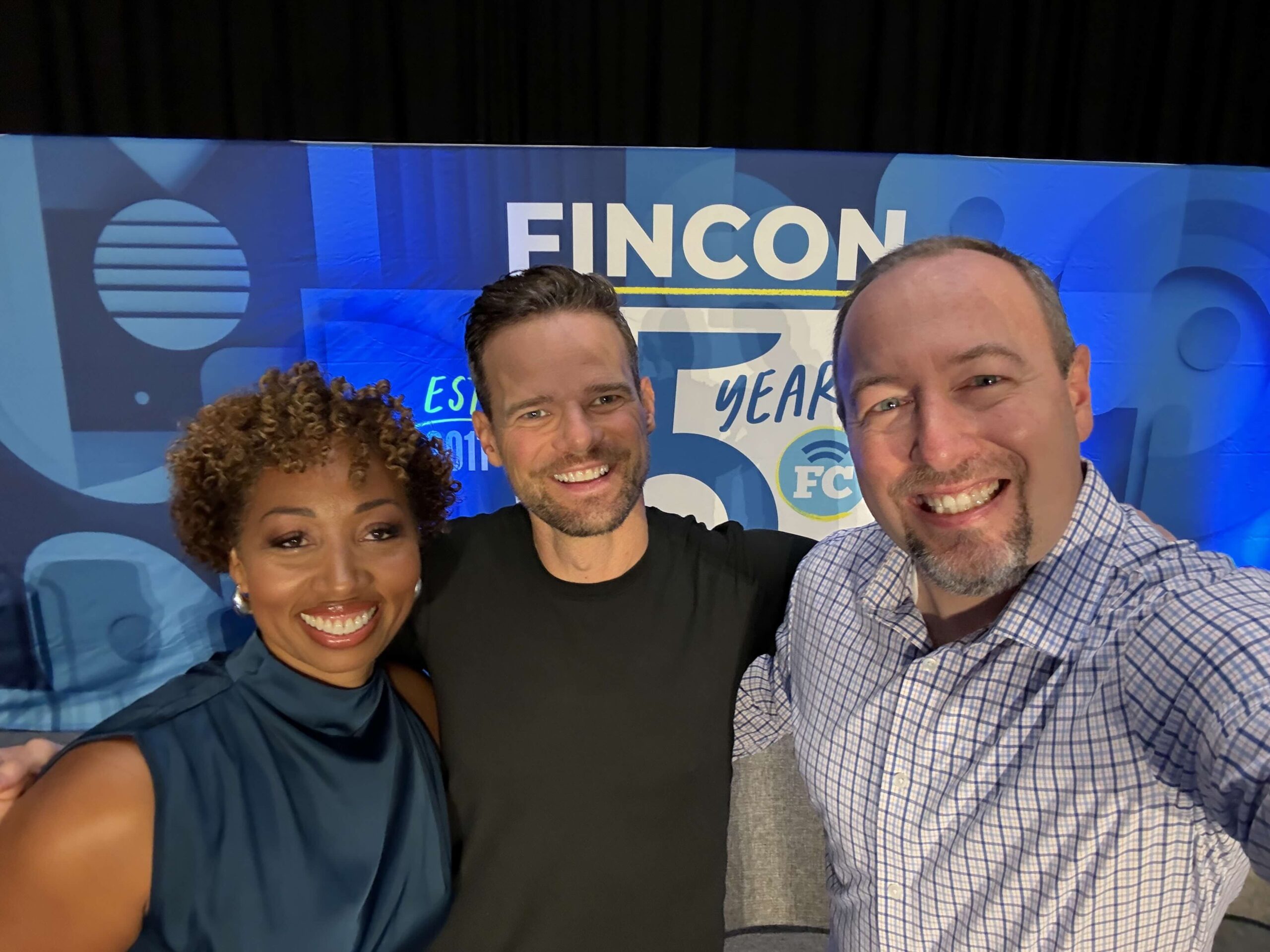
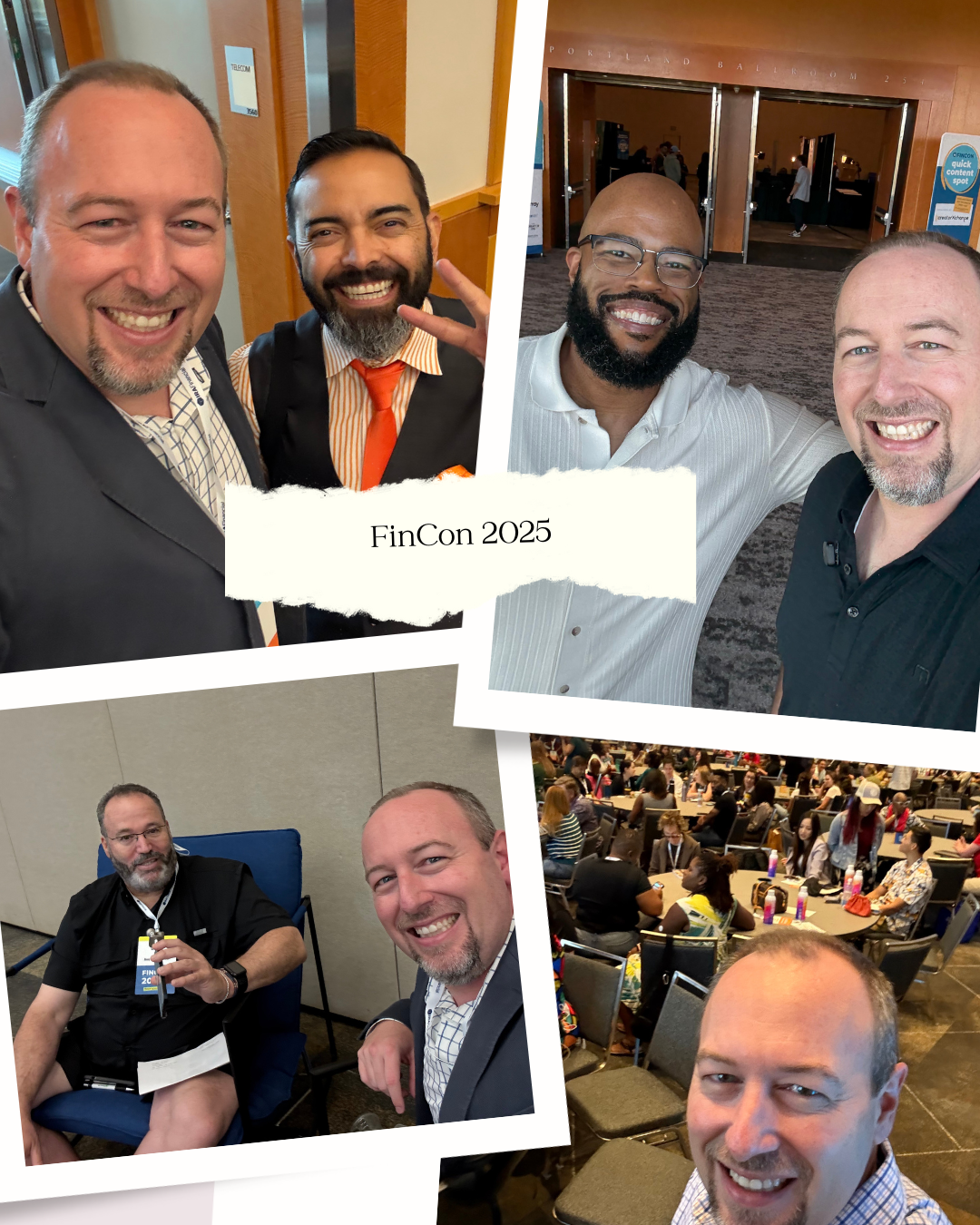
At FinCon 2025, the conference that gathers personal finance creators, entrepreneurs, financial planners, coaches, “mainstream” media professionals, even major financial brands, one message stood out: the creator economy is not slowing down. If anything, it’s accelerating.
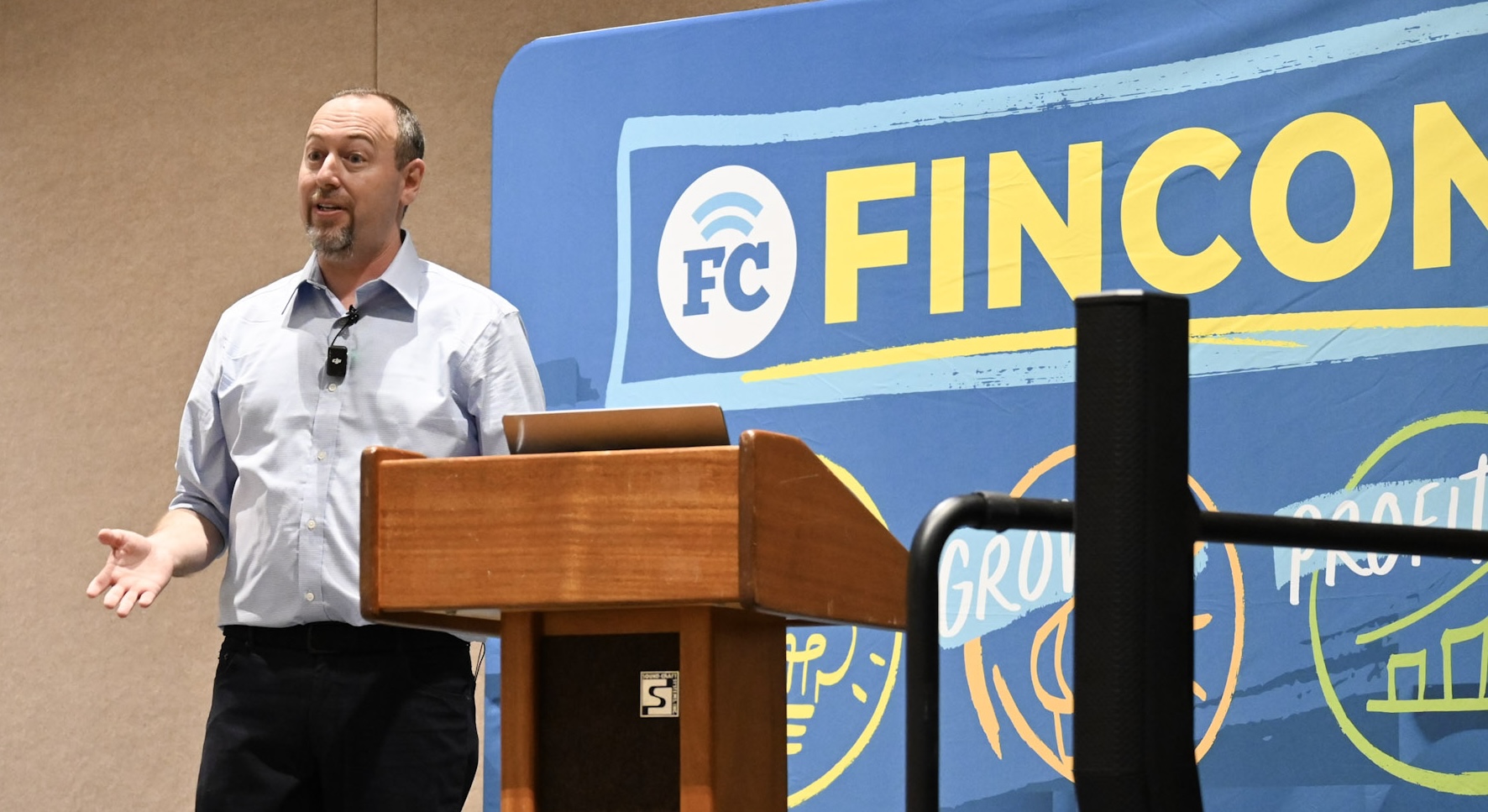
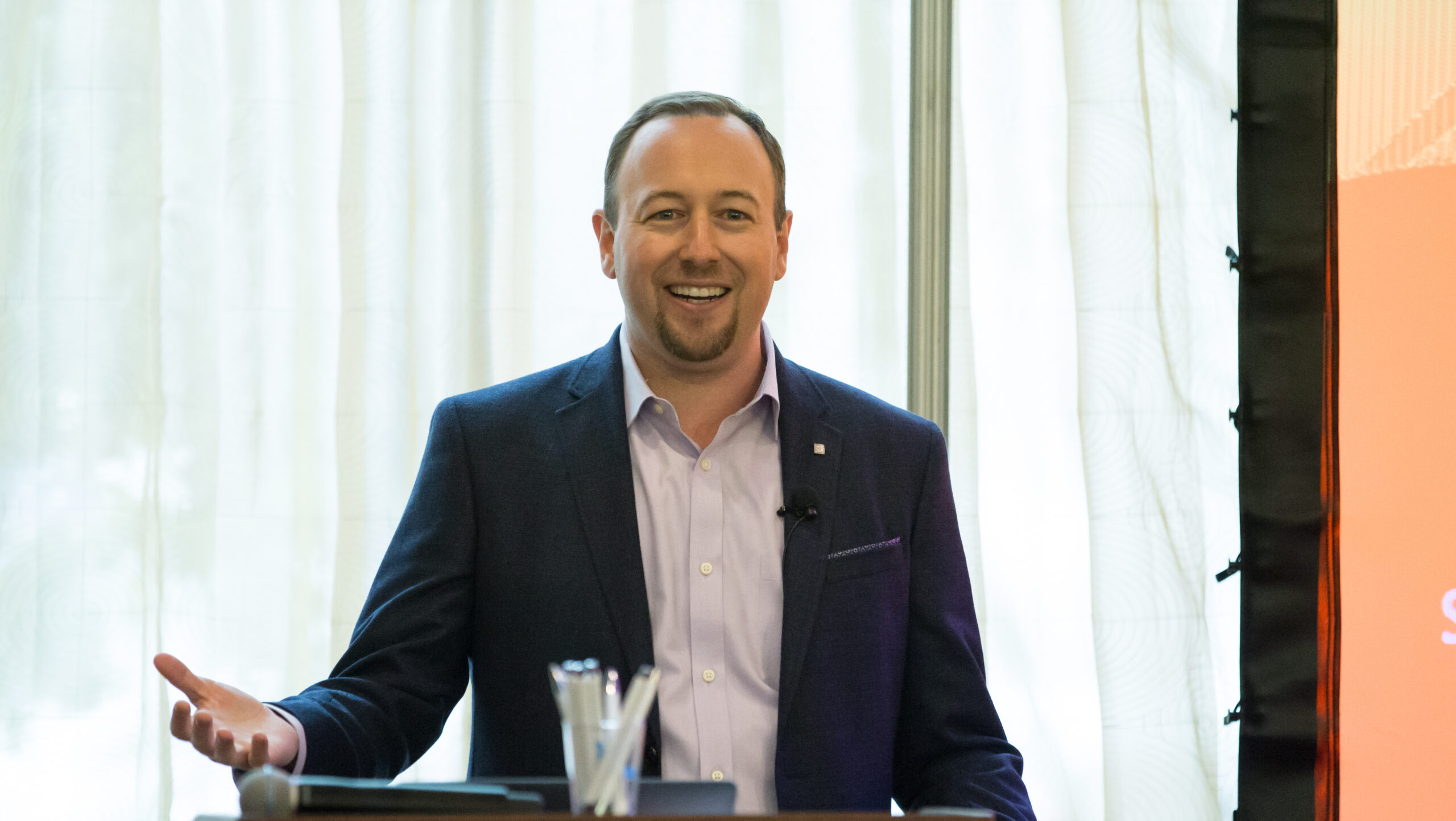
I’ve attended FinCon for more than a decade, and each year I leave with a sense of how the financial media space is evolving. This year, I was able to be on the main stage for a bit sharing my own insights as well.
Five years ago, long-form written “ultimate guides” dominated search and distribution. Today, short-form video, interactive tools, and quick insights reach people where they are. And in the future, I believe authorship—knowing exactly who is behind the content and why they’re credible—will be the foundation that builds trust.
The reason is simple: in a world full of chaos and AI, who can you trust?
Creators are building not just blogs or YouTube channels, but full-fledged media businesses. They’re launching courses, running newsletters, producing podcasts, and experimenting with platforms that didn’t exist a few years ago.
Meanwhile, brands are lining up to work with authentic voices who have loyal audiences. The market has grown large enough that creators no longer need to be on the margins: they are media companies.
FinCon reinforced my view that the creator economy is entering its strongest chapter yet. The tools are easier, the barriers to entry are lower, and the demand for human-driven content remains high.
AI Is A Tool, Not The Answer
If there was one dominant conversation at FinCon this year, it was artificial intelligence (AI). Most of the sessions seemed to involve AI in some way – with creators using tools and workflows to run their businesses.
The truth is, AI is not going away. But it’s also not replacing the unique work that creators do.
As I put it: AI is just like a screwdriver. It’s an incredibly useful tool for some tasks but useless (or even damaging) for others.
Many creators I spoke with shared the same frustration: AI-generated financial content is often wrong. Whether it’s suggesting ineligible tax credits or giving misleading student loan advice, the errors aren’t minor. For families making real financial decisions, bad information has serious consequences. That’s why AI isn’t solving personal finance needs in a meaningful way.
Where AI shines is in processes and support work: automating transcripts, helping create tools with coding, speeding up brainstorming. But when it comes to advice that affects people’s money, people want a human they can trust, someone accountable for the words on the page or the video they made.
The Big Problem: Google
While AI itself wasn’t the greatest concern at FinCon, the way Google is forcing it into search results was a constant topic. Attendees kept returning to the same point: Google’s AI overviews are inaccurate, unhelpful, and misaligned with what users actually want.
If a Google engineer were to walk down the street and talk to average humans, they’d quickly learn that, while they do appreciate short summaries, they’re tired of bad information, misleading results, and no way to easily understand where Google’s generated answer came from. They’d much rather have a website with a real author, who likely might have a short summary at the top of the article ready to read (just like we do above *wink wink*).
Google has rolled out AI summaries (and AI Mode) across search without giving users a choice. Then they turn around and say people are using it and loving it. That’s not a measure of demand and preference, it’s a measure of design.
In personal finance, the results are even more problematic. When AI summaries give the wrong repayment plan for student loans, or misstate IRS rules, that’s not just annoying, it can lead to real financial harm. And since Google often places these AI boxes at the top of search results, they block accurate, human-authored content.
It’s no wonder lawsuits are piling up against Google, and at least two people I spoke to expect states like California and New York to take action directly to protect consumers.
It’s time regulators to treat Google (and search engines generally) more like a utility in the coming years, just like the power company or water company. If they want to be a publisher of information (instead of a search engine), they need to seriously change their practices or face legal consequences for plagiarism and publishing incorrect information.
Until that happens, the short-term environment will remain challenging for creators and confusing for consumers.
Side note: these general reasons (along with money) lead me on a path to de-Google.
Destruction Of The Creator Middle-Class
These disruptions to how publishers are getting traffic has made it tougher for independent creators and freelancers to make a sustainable living.
The rise of AI content (and with Google demoting publisher content in exchange for their own content), has left less revenue on the table for publishers.
The result is that companies cannot continue to pay as many writers and editors. This has has hollowed out what many once called the “creator middle class”.
A decade ago, a talented freelancer could piece together steady assignments across multiple outlets. Today, entire sections of publications have been cut, and long-time contributors find themselves squeezed out as publishers turn to cheaper AI-driven content.
While “interest media” apps like TikTok can help independent voices find an audience, it’s not as steady as freelance work.
The result is a content ecosystem where a handful of large publishers dominate at the top, while small independent creators hustle for scraps, and overall leaving less room for those in between.
Authorship (And Creatorship) Matter More Than Ever Before
Every conversation about AI and Google led back to the same answer: authorship and accountability. People want to know who wrote the article, who recorded the video, who stood behind the numbers. They don’t want a faceless algorithm summarizing other people’s articles to give them advice for their finances.
I’m coining the term “creatorship” because it’s not just about writing anymore – it’s about those who make podcasts and videos too. Creators matter.
At FinCon, I spoke about this shift on stage, but also heard it from other creators and especially the myriad of financial coaches and planners in attendance.
The past belonged to long-form written pieces – which I believe are still valuable, but I’m a reader naturally.
The present is about short video and quick answers. The rise of TikTok and quick summaries. People are dealing with a firehose of information and simply want to get to the point.
The future is about identity. Not just producing content, but attaching a name, a face, and a reputation to it. Even if a creator uses AI, are they willing to vouch for the answer/content produced?
And even if Google is blocking it for their own reasons, consumers want a new era where they can easily know: “Who is telling me this, and why should I trust them?”
That accountability will separate real creators from generic AI output. Personal finance is one of the most important and personal areas of someone’s life. Mistakes can literally cost someone their home and future. Most Americans aren’t experts and aren’t fluent in finances. They need good information that’s reputable.
Readers and viewers want a real person is standing behind what they consume.
What The Future Holds
Leaving FinCon, I felt re-invigorated on the future of financial media. I think there are clear pathways to success, even as the internet’s largest gatekeeper is fighting everyone for its own profits.
I’m bullish that the trust in human voices remains strong.
I’m excited for new ways creators are using AI in their workflows, but I’m still concerned about the platforms that misuse it. As long as Google continues to force flawed AI answers into search, the short-term picture will be rocky.
In the long term, I’m more certain that regulation, lawsuits, or market demand will push Google (and others) to adapt and bring back good information. It’s better for everyone – but I realize that it’s also hard to escape capitalism and the quarterly financial stock market choices that executives make.
The lesson from FinCon is clear: creators who build trust through creatorship, who use AI as a workflow tool rather than a writing tool, and who continue to serve their audiences with accountability, will thrive in the years ahead.